
dotclinics
New member
Venous Leak: Symptoms, Causes, Diagnosis, and Treatment
Venous leak is a possible cause of erectile dysfunction (ED) that occurs when the penis cannot retain enough blood to maintain a firm erection. Medically known as veno-occlusive dysfunction, this condition can make it difficult for men to maintain an erection during sexual activity, even when sexual desire and stimulation are present.Erectile difficulties can affect confidence, intimate relationships, and overall quality of life. However, difficulty maintaining an erection does not automatically mean that a man has venous leak. Several other conditions, including reduced blood flow, hormonal imbalances, diabetes, medication side effects, and psychological factors, can cause similar symptoms.
Understanding the causes, symptoms, diagnosis, and available treatments can help men make informed decisions about their sexual health and seek appropriate medical care.
What Is Venous Leak?
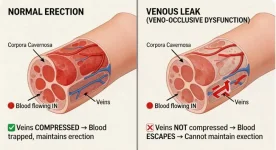
Venous leak is a condition in which blood leaves the penis too quickly during an erection because the normal mechanism for restricting blood outflow is not working effectively.During a normal erection, sexual stimulation causes the arteries supplying the penis to widen. Blood flows into two erectile structures called the corpora cavernosa, causing them to expand. As these tissues fill with blood, they compress the veins that normally drain blood away from the penis. This helps maintain the firmness required for sexual activity.
In men with venous leak, the blood-trapping mechanism does not function properly. As a result, the penis may become erect initially but lose firmness before or during sexual intercourse.
Venous leak does not necessarily mean that a vein has a physical hole or is leaking in the ordinary sense. Instead, the term generally describes impaired control of venous blood outflow during an erection.
Common Symptoms of Venous Leak
The symptoms of venous leak can vary depending on the underlying cause and severity of the condition. The most characteristic complaint is difficulty maintaining an erection.Common symptoms include:
- Difficulty maintaining an erection: The penis becomes erect but loses firmness quickly.
- Reduced erection firmness: The penis may not become sufficiently hard for satisfactory sexual activity.
- Loss of rigidity during intercourse: An erection may weaken before sexual activity is completed.
- Difficulty achieving a fully firm erection: Some men experience problems from the beginning rather than losing an erection after it develops.
- Reduced sexual confidence: Repeated erectile difficulties may lead to embarrassment, stress, or performance anxiety.
- Inconsistent erectile performance: The firmness and duration of erections may vary.
Does Venous Leak Affect Morning Erections?
Some men with erectile dysfunction continue to experience morning erections, while others notice fewer or less firm erections after waking up.Morning erections alone cannot confirm or rule out venous leak. A healthcare professional considers the patient's overall symptoms, medical history, and examination findings before recommending further testing.
What Causes Venous Leak?
Venous leak can develop because of changes in the erectile tissues, blood vessels, or mechanisms responsible for maintaining penile rigidity. Several factors may contribute to its development.1. Damage to Erectile Tissue
The erectile tissues contain smooth muscle and elastic structures that expand during an erection. These tissues also help compress the veins responsible for draining blood away from the penis.If the tissues become damaged or lose their normal function, the penis may struggle to retain blood during an erection.
2. Diabetes
Diabetes can damage blood vessels and nerves involved in normal erectile function. Long-term elevated blood glucose can also contribute to changes in the tissues responsible for maintaining an erection.Men with diabetes may develop erectile dysfunction due to several overlapping factors, including nerve damage, reduced arterial blood flow, and impaired venous occlusion.
3. Cardiovascular Disease
High blood pressure, atherosclerosis, and abnormal cholesterol levels can affect vascular health and contribute to erectile dysfunction.Although arterial insufficiency and venous leak are different conditions, they can occur together. Erectile dysfunction may sometimes be an early sign of an underlying cardiovascular problem, so medical evaluation should consider overall health as well as sexual symptoms.
4. Penile or Pelvic Injury
An injury involving the penis, pelvis, or surrounding tissues may damage the structures involved in erection. The likelihood of developing erectile difficulties depends on the nature and severity of the injury.Men who develop persistent erection problems after an injury should seek evaluation from a qualified healthcare professional.
5. Age-Related Changes
The risk of erectile dysfunction generally increases with age because vascular health, tissue elasticity, hormone levels, and the prevalence of chronic diseases can change over time.However, venous leak is not an inevitable consequence of aging. Persistent erection problems deserve assessment regardless of age.
6. Peyronie's Disease and Penile Fibrosis
Peyronie's disease is characterized by the development of fibrous scar tissue within the penis. It may cause penile curvature, discomfort, and erectile difficulties.In some cases, fibrosis or other structural changes can interfere with the expansion of erectile tissue and its ability to restrict venous blood outflow.
7. Lifestyle and Metabolic Factors
Smoking, obesity, physical inactivity, and excessive alcohol consumption can contribute to erectile dysfunction through their effects on blood vessels, metabolism, and general health.These factors do not necessarily cause venous leak directly in every individual, but improving lifestyle habits may help support erectile function and reduce associated health risks.
Venous Leak vs. Other Types of Erectile Dysfunction
Not every case of erectile dysfunction is caused by venous leak. Several conditions can produce similar symptoms, which is why an accurate diagnosis matters.| Condition | Main problem | Common presentation |
|---|---|---|
| Venous leak | Difficulty retaining blood in the penis | An erection may develop but lose firmness |
| Arterial insufficiency | Inadequate blood flow into the penis | Difficulty achieving a firm erection |
| Hormonal dysfunction | Hormonal factors affect sexual function | May include low libido and erectile difficulties |
| Psychogenic erectile dysfunction | Psychological or situational factors affect erections | Symptoms may vary with circumstances |
| Mixed erectile dysfunction | Multiple contributing factors | A combination of symptoms |
A clinician can determine which factors are most likely to be contributing to the problem and recommend appropriate treatment.
How Is Venous Leak Diagnosed?
Diagnosing venous leak usually begins with a consultation with a urologist or another healthcare professional experienced in sexual medicine.The goal is to determine whether the symptoms are caused by venous leak, another type of erectile dysfunction, or several contributing conditions.
Medical and Sexual History
The healthcare professional may ask about:- When the erection problems began.
- Whether the difficulty involves achieving or maintaining an erection.
- The firmness and duration of erections.
- Morning erections and sexual desire.
- Existing health conditions, including diabetes and high blood pressure.
- Current medications and supplements.
- Smoking, alcohol use, and lifestyle habits.
- Previous penile or pelvic injuries.
- Stress, anxiety, and relationship concerns.
Physical Examination and Blood Tests
A physical examination may include checking blood pressure, relevant vascular risk factors, and genital anatomy.Blood tests may be recommended to investigate underlying conditions. Depending on the patient's symptoms, these may include:
- Blood glucose or HbA1c to assess diabetes.
- A lipid profile to evaluate cholesterol levels.
- Morning total testosterone to investigate possible testosterone deficiency.
- Additional hormonal tests when clinically indicated.
Penile Duplex Doppler Ultrasound
Penile duplex Doppler ultrasound is an important test for evaluating suspected vascular erectile dysfunction.During the procedure, a healthcare professional may administer medication into the erectile tissue to produce an erection. Ultrasound is then used to assess blood flow within the penis.
The examination can help evaluate arterial blood flow and determine whether the measurements suggest impaired venous occlusion.
The results must be interpreted carefully because anxiety, an inadequate response to the medication, and testing technique can influence the findings. An abnormal result does not always establish a definitive diagnosis.
Specialized Vascular Testing
In selected cases, a specialist may recommend dynamic infusion cavernosometry or cavernosography. These procedures can assess pressure requirements and visualize venous drainage.Because they are invasive and are not necessary for most men with erectile dysfunction, they are generally reserved for situations in which the results could meaningfully affect treatment decisions.
Treatment Options for Venous Leak
Treatment depends on the severity of erectile dysfunction, the underlying cause, general health, and the patient's preferences.There is no single treatment that works for every man. A qualified healthcare professional can recommend an appropriate approach after evaluating the symptoms and test results.
1. Oral Medications
Phosphodiesterase type 5 (PDE5) inhibitors are commonly prescribed as first-line treatments for erectile dysfunction.Examples include:
- Sildenafil
- Tadalafil
- Vardenafil
- Avanafil
They do not directly repair a structural venous abnormality, but they may improve erectile function in some men with venous leak.
The response varies depending on the underlying cause and severity of the condition.
Safety note: PDE5 inhibitors must not be combined with nitrate medications, such as nitroglycerin, because this combination can cause a dangerous drop in blood pressure. Medical advice is essential before starting treatment.
2. Lifestyle Changes
Lifestyle changes can support vascular health and improve erectile function, particularly when diabetes, obesity, or cardiovascular risk factors contribute to the problem.Helpful measures include:
- Exercising regularly.
- Maintaining a healthy body weight.
- Stopping smoking.
- Eating a balanced diet.
- Limiting excessive alcohol consumption.
- Getting adequate sleep.
- Managing diabetes, blood pressure, and cholesterol.
3. Vacuum Erection Devices
A vacuum erection device uses a cylinder and pump to draw blood into the penis. A constriction ring may then be placed around the base to help maintain the erection.The device can be useful for some men with venous leak because the ring helps restrict blood outflow during sexual activity.
Potential disadvantages include bruising, discomfort, numbness, and difficulty ejaculating. The ring should be removed within the recommended time, generally no longer than 30 minutes.
A healthcare professional can explain the correct use of the device and whether it is suitable for the individual.
4. Penile Injection Therapy
Penile injection therapy involves administering a prescribed medication directly into the erectile tissue. Alprostadil is one established option.These medications relax smooth muscle and increase blood flow, helping produce an erection.
Injection therapy may be considered when oral medications are ineffective or unsuitable. However, patients require proper instruction and individualized dosing.
Possible complications include penile pain, bruising, fibrosis, and priapism, which is a prolonged erection requiring urgent medical treatment.
5. Penile Implants
A penile implant may be considered when other treatments fail, are unsuitable, or do not meet the patient's needs.There are two major types:
- Inflatable implants: A pump and fluid-filled cylinders allow the user to create and release an erection.
- Malleable implants: Bendable rods provide rigidity and can be positioned as needed.
Because implantation involves surgery, the decision should follow a detailed discussion with an experienced urologist about benefits, risks, alternatives, and long-term expectations.
6. Venous Surgery and Embolization
Venous ligation surgery attempts to reduce venous drainage by interrupting selected veins. However, it is not generally recommended as routine treatment for erectile dysfunction because long-term results have often been disappointing.Venous embolization is a minimally invasive procedure that uses imaging guidance to block selected veins. It has attracted interest as a possible treatment for carefully selected patients, but the evidence remains limited compared with established erectile dysfunction treatments.
Neither procedure should be presented as a guaranteed permanent cure. Men considering these options should consult an experienced specialist and carefully review the evidence, risks, and alternatives.
7. Shockwave Therapy and Regenerative Treatments
Low-intensity shockwave therapy, platelet-rich plasma (PRP), and stem cell-based approaches are sometimes promoted for erectile dysfunction.However, the evidence supporting these treatments varies, and they should not be assumed to permanently correct venous leak. Some approaches remain investigational or experimental.
Patients should be cautious about claims promising guaranteed results, permanent restoration of normal erections, or complete repair of penile veins.
Can Venous Leak Be Cured Permanently?
The possibility of long-term improvement depends on the underlying cause and the treatment selected.Some men achieve satisfactory erections with medication, vacuum devices, or injection therapy even when the underlying venous dysfunction remains. Others may require more advanced treatment.
A penile implant can provide a reliable mechanical solution for selected patients, but it does not restore the natural blood-trapping mechanism. Venous embolization remains an evolving option rather than a guaranteed permanent cure.
For this reason, it is more accurate to discuss improvement in erectile function and long-term management than to promise that every case of venous leak can be permanently cured.
Venous Leak in Young Men
Venous leak can occur in younger men, but erectile dysfunction in this age group has many possible causes.Potential contributors include performance anxiety, stress, diabetes, hormonal abnormalities, medication effects, vascular conditions, and previous injuries.
A younger man who has difficulty maintaining an erection should not automatically assume that he has permanent vascular damage. A medical assessment can help identify the underlying cause and determine whether specialized testing is appropriate.
Early evaluation can also help prevent unnecessary treatment and reduce anxiety associated with uncertainty about sexual health.
Can Venous Leak Affect Fertility?
Venous leak does not directly prevent sperm production. However, severe erectile dysfunction may make sexual intercourse difficult and indirectly interfere with conception.Men experiencing fertility concerns may benefit from an assessment of both erectile function and reproductive health, depending on their symptoms and circumstances.
When Should You See a Doctor?
Consider arranging a medical appointment if you:- Repeatedly struggle to maintain an erection.
- Notice a persistent decline in erection firmness.
- Experience erectile difficulties that interfere with sexual activity.
- Have diabetes, cardiovascular disease, or other relevant health conditions.
- Develop erection problems after a penile or pelvic injury.
- Experience penile curvature, pain, or a palpable abnormality.
- Have tried erectile dysfunction medication without satisfactory results.
An erection lasting four hours or longer after erectile medication or injection therapy requires emergency medical attention because of the risk of tissue damage.
Frequently Asked Questions About Venous Leak
What is the main symptom of venous leak?
The main symptom is difficulty maintaining an erection because the penis loses firmness too quickly. However, other conditions can cause the same symptom, so medical assessment is necessary.How is venous leak confirmed?
A clinician may recommend a medical history, physical examination, appropriate blood tests, and penile duplex Doppler ultrasound when vascular testing is indicated.Can venous leak be treated without surgery?
Yes. Depending on the underlying cause, treatment may include oral medication, vacuum erection devices, or injection therapy.Do tablets work for venous leak?
PDE5 inhibitor medications may improve erectile function in some men. Their effectiveness varies, and they do not directly repair every structural venous problem.Is venous leak common in young men?
It can occur in younger men, but erectile difficulties in this age group have many possible explanations. Proper evaluation is important before assuming a vascular cause.Can exercise improve venous leak?
Regular exercise can support cardiovascular health and may improve erectile function. However, exercise alone is not guaranteed to correct an established structural venous abnormality.Is venous leak the same as low testosterone?
No. Venous leak involves impaired blood retention during an erection, while low testosterone is a hormonal condition that may affect libido and sexual function. Both can occur together.Which doctor treats venous leak?
A urologist, particularly one experienced in andrology or sexual medicine, can evaluate suspected venous leak and discuss suitable treatment options.Conclusion
Venous leak, also known as veno-occlusive dysfunction, is a possible cause of erectile dysfunction that occurs when the penis cannot effectively retain enough blood to maintain a firm erection.Common symptoms include difficulty maintaining erection firmness, reduced rigidity, and inconsistent erectile performance. However, these symptoms can also result from other physical or psychological conditions.
Diagnosis may involve a detailed medical history, physical examination, blood tests, and penile duplex Doppler ultrasound when indicated. Treatment options include oral medications, vacuum erection devices, injection therapy, and penile implants for selected patients. Specialized procedures such as venous embolization require careful consideration because their long-term effectiveness is still being evaluated.
The most important step is to obtain an accurate diagnosis rather than assume that every erection problem is caused by venous leak. With appropriate medical evaluation and an individualized treatment plan, many men can achieve meaningful improvements in erectile function and quality of life.
Medical disclaimer: This article is for educational purposes only and should not replace professional medical advice, diagnosis, or treatment.
References
- European Association of Urology: Guidelines on the Management of Erectile Dysfunction — https://uroweb.org/guidelines/sexua...th/chapter/management-of-erectile-dysfunction
- American Urological Association: Erectile Dysfunction Guideline — https://www.auajournals.org/doi/10.1016/j.juro.2018.05.004
- National Center for Biotechnology Information: Medical and Surgical Therapy of Erectile Dysfunction — https://www.ncbi.nlm.nih.gov/books/NBK278925/